Introduction:
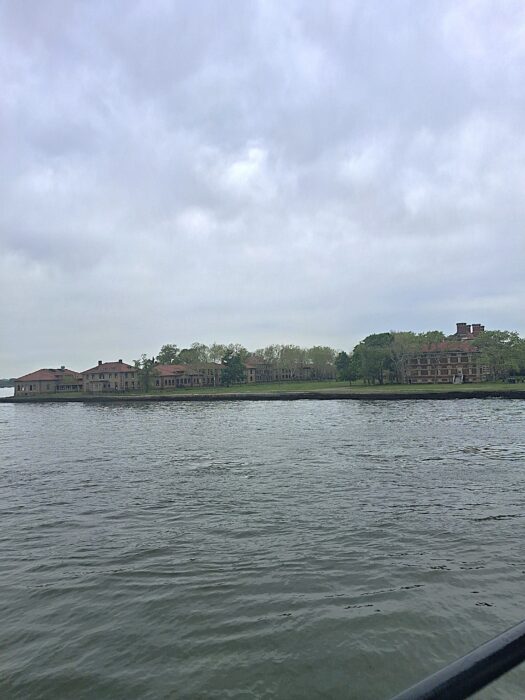
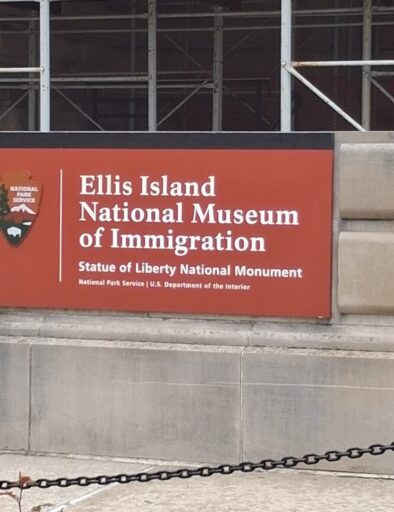
English: On the 9th of may, our class visited Ellis Island. Ellis Island was between the XIX and XX century the principal entry to the United States for the immigrants coming from all around the world.
« An Island full of History, cultures and emotions » – Lila
« It was an incredible experience to be able to live the course and walk into the steps of the ancient immigrants » – Constance
« It was like reviving the life of immigrants from the past and explore the steps that they had to browse » – Ewan.
Français: Le 9 mai, notre classe a visité Ellis Island. Entre le IXe et le XXe siècle, Ellis Island était la principale porte d’entrée aux États-Unis pour les immigrants venus du monde entier.
« Une île chargée d’histoire, de cultures et d’émotions » – Lila
« C’était une expérience incroyable de pouvoir suivre ce parcours et marcher sur les traces des immigrants d’autrefois » – Constance
« C’était comme revivre la vie des immigrants du passé et explorer les mêmes escaliers qu’eux » – Ewan

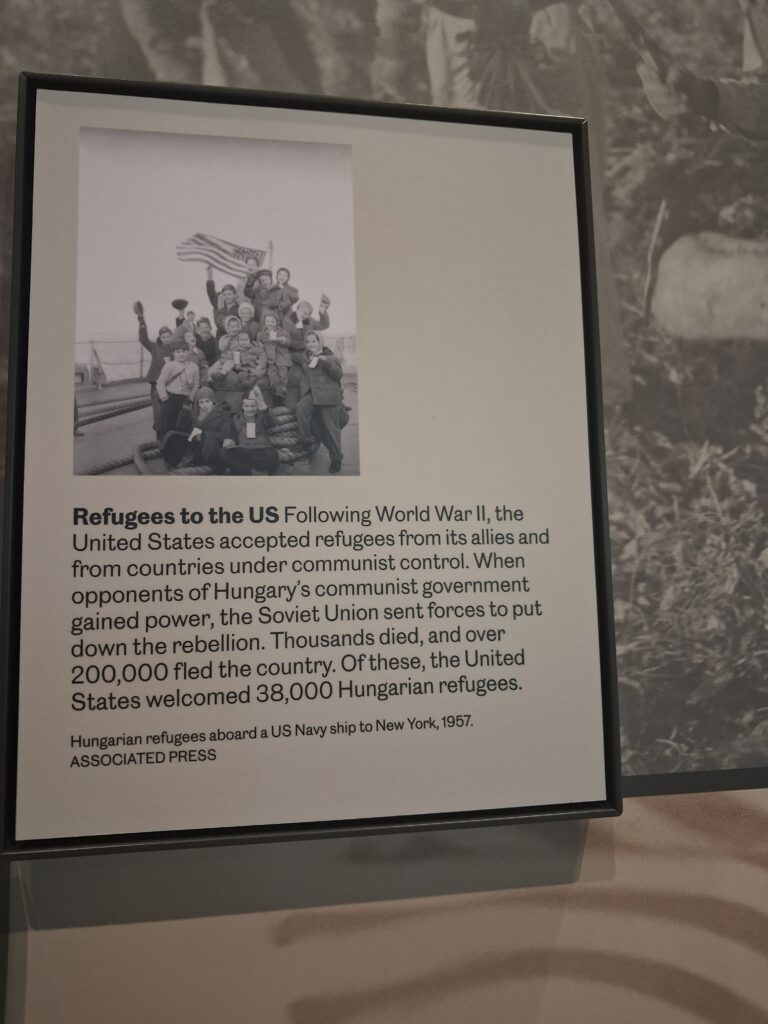
English: During our visit, we learned a lot of things about this site. On Ellis Island, we walked through the steps of the twelve millions of immigrants who came through it with the hope of finding a new life, fleeing from war or political problems in their country, or finding an opportunity for a new job for more money.
This site has been restaured but look like the real registration station in the begining of the XX century.
Français: Lors de notre visite, nous avons appris beaucoup de choses sur ce site. À Ellis Island, nous avons suivi les traces de douze millions d’immigrants qui y sont passés, animés par l’espoir d’une vie meilleure, fuyant la guerre ou les troubles politiques dans leur pays, ou cherchant un emploi mieux rémunéré.
Ce site a été restauré, mais il ressemble encore à la véritable station d’enregistrement du début du XXe siècle.
The weather/ La méteo:
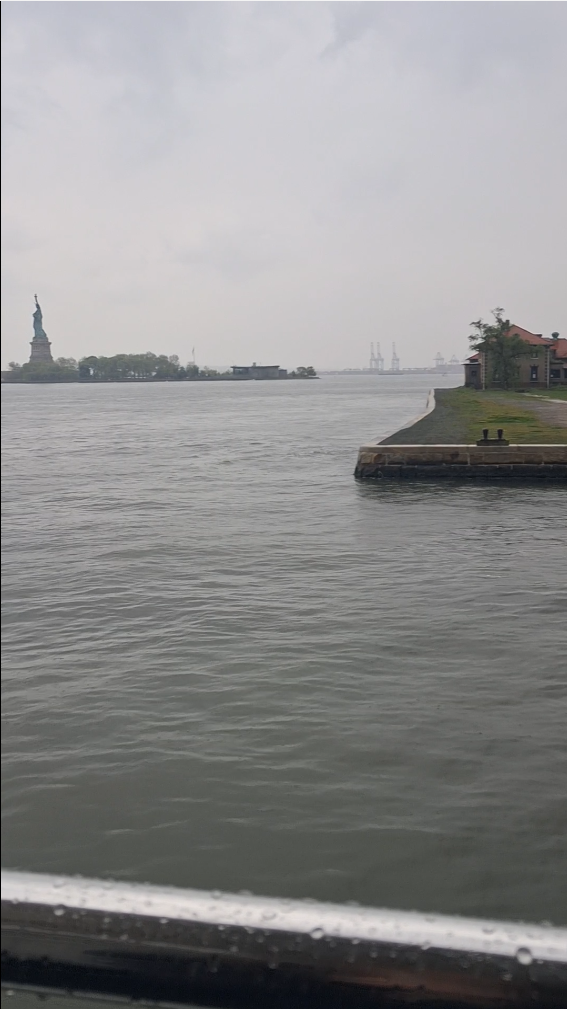
English: On the 9th of may, the weather was rainy and cloudy, even if we wanted it to be sunny, it was an incredible day.
Français: Le 9 mai, malgré la pluie et les nuages, même si nous aurions préféré du soleil, ce fut une journée incroyable.
What did we eat ? / Qu’est ce que l’on a mangé ?:
English: On Ellis Island there was a little restaurant that was like a fast food. We had a choice between a fish & ships, a veggie burger, a cheese burger, and tenders with fries.
Français: Sur Ellis Island, il y avait un petit restaurant qui ressemblait à un fast-food. On avait le choix entre un fish and chips, un burger végétarien, un cheeseburger et des tenders avec des frites.

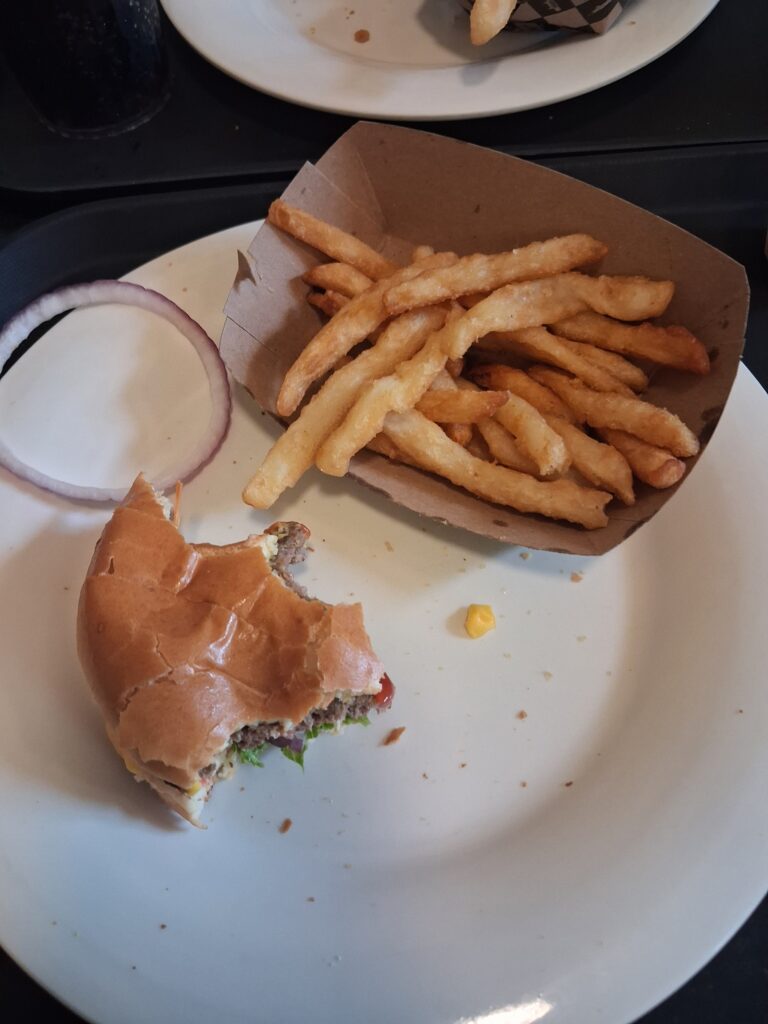
English: We could have all the drinks we wanted, and we could help ourselves as much as we wanted.
Français: Nous pouvions prendre toutes les boissons que nous voulions, et nous pouvions nous servir autant que nous le souhaitions.
The stairs of separation/ Les escaliers de séparation :
English: At the end of the registration room, there is the « stairs of separation ». They were used to guide you along different paths depending on the stairs you took. When you wanted to go to New York, you used the left stairs, when you wanted to go elsewhere in the United States, you had to take the right stairs that guided to the ticket office to buy a train ticket. But when you got down the stairs in the center, it was because you were detained. You were taken to the hospitalof the island or were being questioned by an immigration inspector. If there was a problem you were sent back to the country you came from.
Français: Au bout de la salle d’enregistrement se trouvaient les « escaliers de séparation ». Ils servaient à vous orienter selon votre itinéraire. Pour aller à New York, il fallait prendre l’escalier de gauche ; pour aller ailleurs aux États-Unis, il fallait prendre celui de droite qui menait au guichet pour acheter un billet de train. Mais si vous descendiez l’escalier central, c’était que vous étiez retenu. Vous étiez conduit à l’hôpital de l’île ou interrogé par un agent de l’immigration. En cas de problème, vous étiez renvoyé dans votre pays d’origine.


Why did they flee ?/ Pourquoi on-t-il fuit ? :
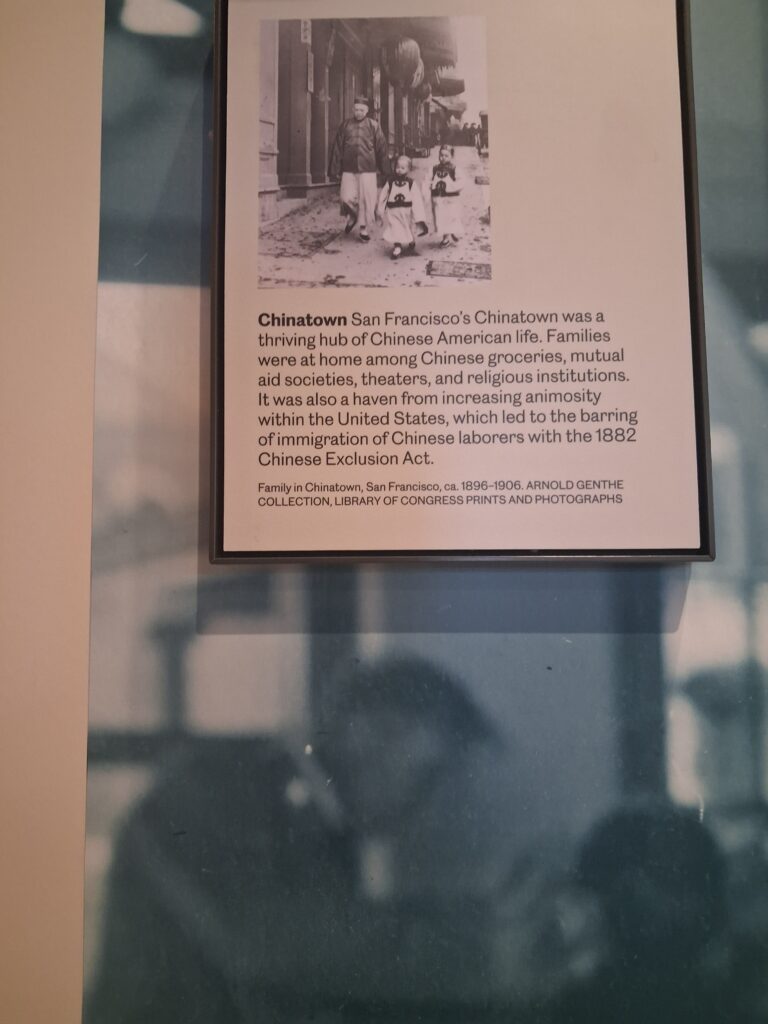
English: The immigrants fleed from their country, often coming from Germany, Ireland, Poland, Hungary, Russia,Greece, Italy and the United Kingdom, or often coming from eastern Europe, and later coming from Asia.
They often fleed from politics conflicts in their country, famine, like the potato famine in Ireland, war, or to find a better life in the United-States.
They didn’t flee with all their family. But why ? Because the conditions of voyage on ship were very bad, sanking a lot of ship, killing a lot of people beacause the ship was too crowded. They didn’t want their family to disapear because of an accident. Plus the tickets prices were really high, and sometimes, poor family could afford only one or two.
Français:
Les immigrants fuyaient leur pays, souvent originaires d’Allemagne, d’Irlande, de Pologne, de Hongrie, de Russie, de Grèce, d’Italie et du Royaume-Uni, ou encore d’Europe de l’Est, et plus tard d’Asie.
Ils fuyaient souvent les conflits politiques, la famine (comme la Grande Famine en Irlande), la guerre, ou cherchaient une vie meilleure aux États-Unis.
Ils n’ont pas fui avec toute leur famille. Pourquoi ? Parce que les conditions de voyage étaient déplorables, provoquant de nombreux naufrages et la mort de nombreuses personnes à cause de la surpopulation. Ils ne voulaient pas que leur famille entière disparaisse accidentellement. De plus, les billets étaient très chers et, parfois, les familles les plus modestes ne pouvaient s’en offrir qu’un ou deux.
The voyage to the United-States/ Le voyage vers les Etats-Unis :
English: The immigrants came through Ellis Island on a ship. This voyage lasted between two and four weeks from Europe. They were transported through the ocean in bad conditions. There were classes, if you were poor you had the worst condition and you had to voyage at the lowerest deck of the ship. You could feel the waves of the water on the wall of the ship.
In the morning, they needed to share a small number of toilets with many other passengers. They had cold porridge for breakfast and lunch or diner was often soup, they didn’t had a lot of meat.They were only allowed to go on the deck only once a day for an hour.
This is what Annie Moore, a seventeen-year-old Irish girl, tells us, who came to join her parents in the United States with her two younger brothers.
Français: Les immigrants arrivaient par bateau à Ellis Island. La traversée depuis l’Europe durait entre deux et quatre semaines. Les conditions étaient déplorables. Les passagers étaient classés en catégories : les plus pauvres étaient les plus mal lotis et devaient voyager sur le pont inférieur. Ils sentaient les vagues se briser contre les parois du navire.
Le matin, ils devaient partager un nombre restreint de toilettes avec de nombreux autres passagers. Le petit-déjeuner était composé de bouillie froide et le déjeuner ou le dîner, souvent de soupe ; la viande était rare. Ils n’étaient autorisés à aller sur le pont qu’une fois par jour, pendant une heure.
C’est ce qu’Annie Moore raconte, une irlandaise de dix-sept ans, venu rejoindre ses parents aux Etats-Unis avec ses deux plus jeunes frères.
What did they come with ?/ Avec quoi sont-ils venu ? :
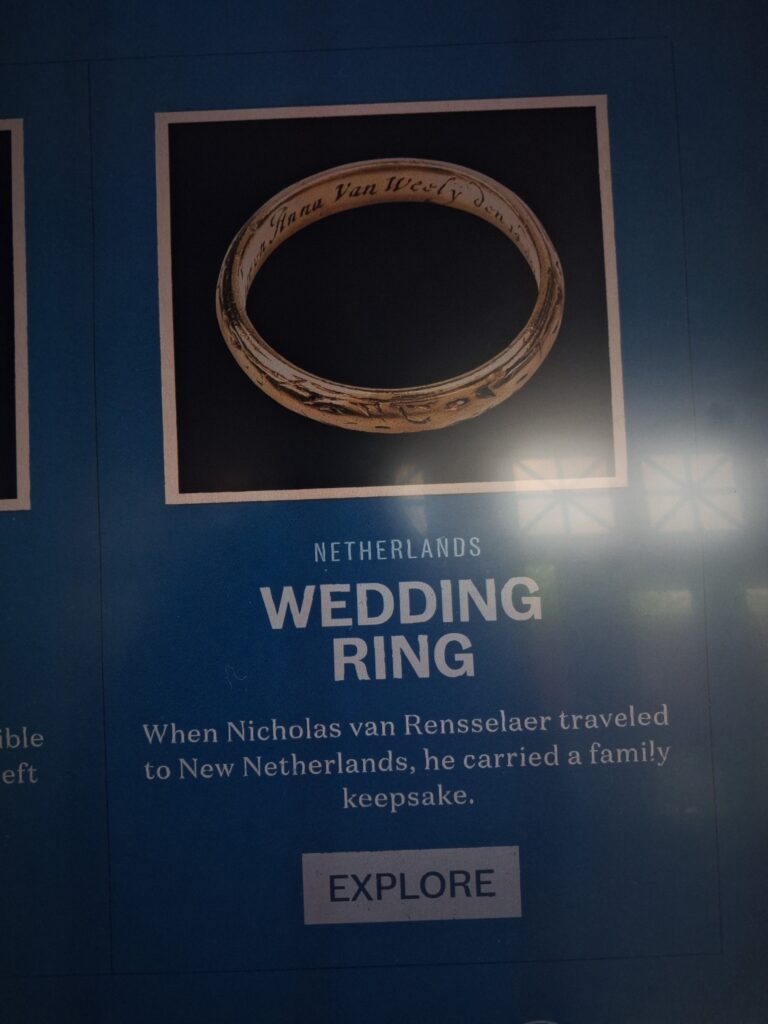
English: When the immigrants fled from their country they had to take the minimum they had, and sometimes they took thinghs that were precious to them, like a Teddy Bear, an wedding ring or their key house. It was important for them beacause they left a part of their life behind them and sometimes left their family forever.
Français: Lorsque les migrants ont fui leur pays, ils ont dû emporter le strict minimum, et parfois des objets qui leur étaient précieux, comme un ours en peluche, une alliance ou les clés de leur maison. C’était important pour eux car ils laissaient derrière eux une partie de leur vie et parfois leur famille pour toujours.


Thes streets paved with gold ?/ Les rues pavées d’or ? :
English: During the XIX century, some rumors about America have spread around the world, it is one of them.
Around the world in the XIX century, a few people heard that New York streets were paved with gold, but they were not, it was all a dream to attracts more people in this city.
« Well, I came to America because I heard the streets were paved with gold.
When I got here, I found out three things: first, the streets weren’t paved with gold; second, they weren’t paved at all; and third, I was expected to pave them. »
– Immigrant saying
Français: Au XIXe siècle, certaines rumeurs concernant l’Amérique se sont répandues à travers le monde, dont celle-ci.
À cette époque, une rumeur courait que les rues de New York étaient pavées d’or, mais c’était une pure invention, un rêve destiné à attirer toujours plus de monde dans cette ville.
« Eh bien, je suis venu en Amérique parce que j’avais entendu dire que les rues étaient pavées d’or.
À mon arrivée, j’ai constaté trois choses : premièrement, les rues n’étaient pas pavées d’or ; deuxièmement, elles n’étaient même pas pavées ; et troisièmement, on attendait de moi que je les pavage. »
– Propos d’un immigrant
A symbol for the United-States/ Un symbole pour les Etats-Unis :
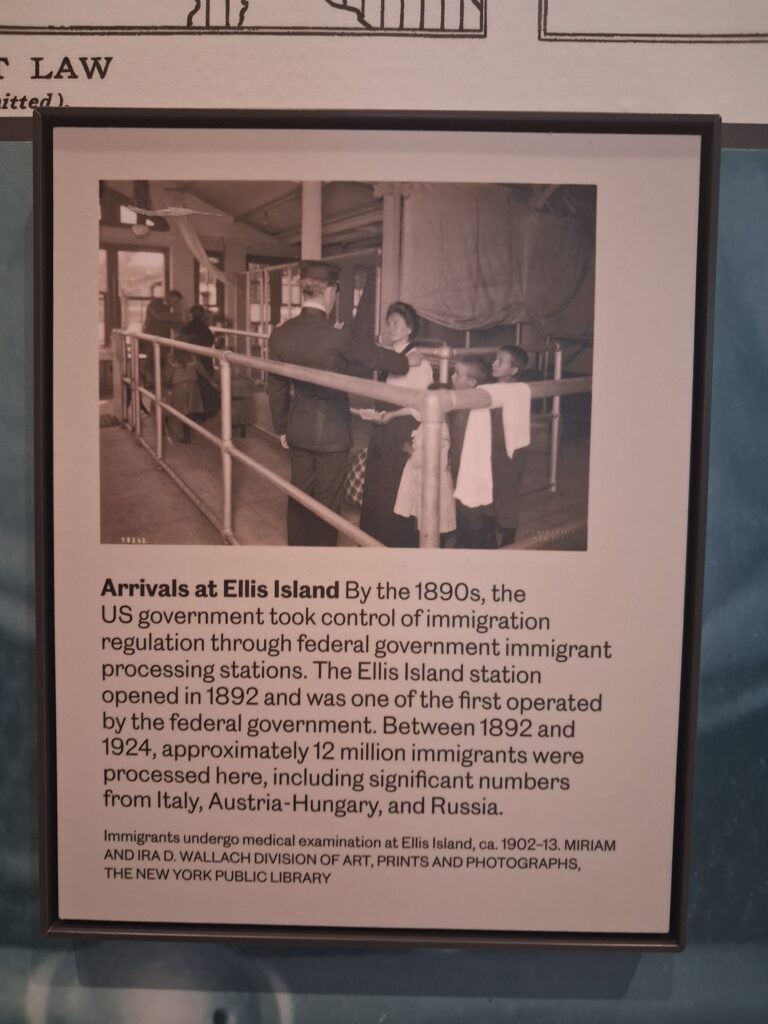
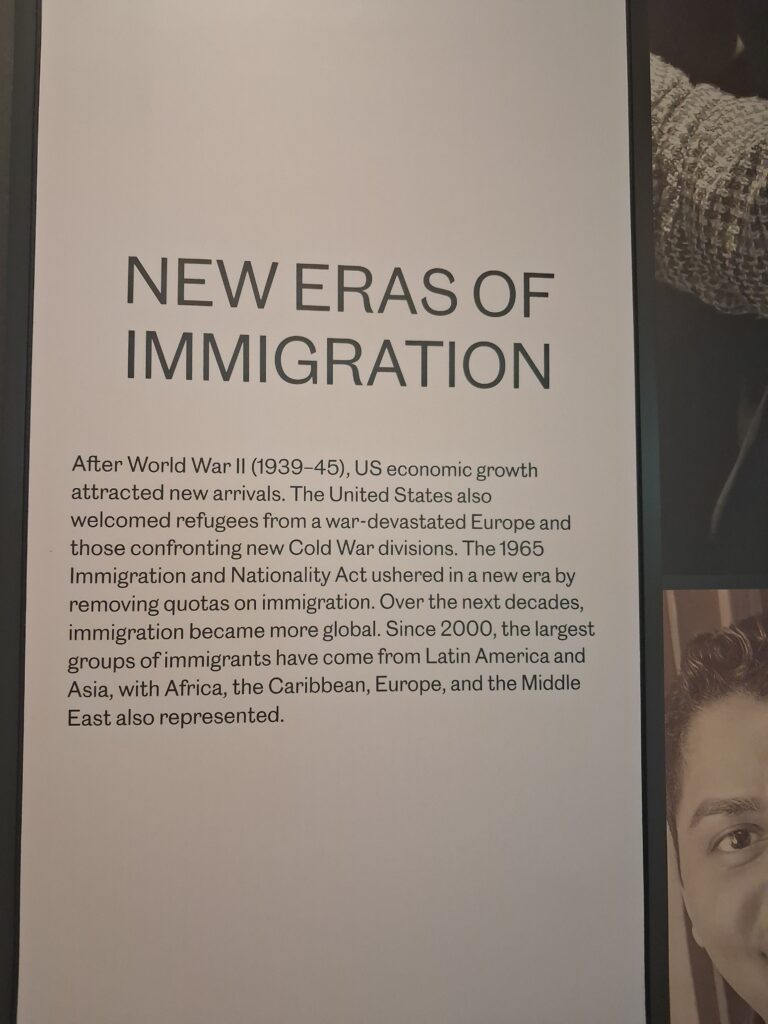
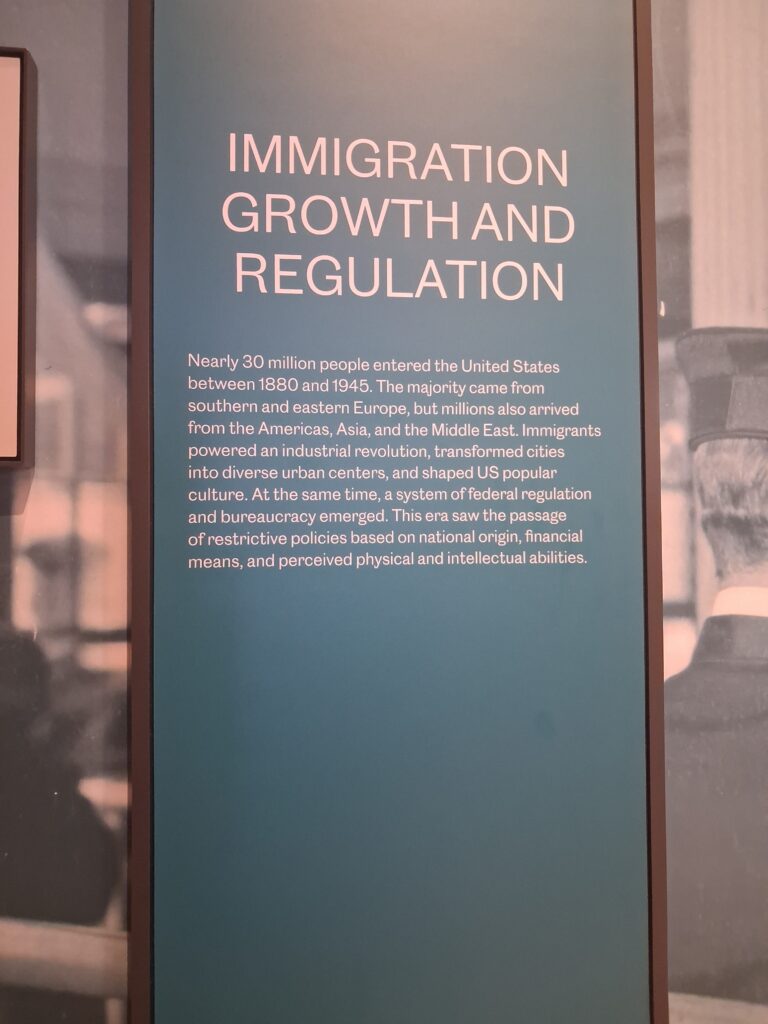
English: The United States welcomed about twelve millions of immigrants. At its peak, it welcomed approximately ten thousand people per day. The immigration is a part of the American history.
It has allowed for the creation of multiple origins and ethnicities with diverse cultures across America. It is partly thanks to this that the United States today has such significant diversity. It is today a symbol. All American has immigrants roots.
« For the first time of my life I felt secure »
« Already I was one of these millions, I was an American »
– Immigrants saying
Français:
Les États-Unis ont accueilli environ douze millions d’immigrants. À son apogée, ce chiffre avoisinait les dix mille personnes par jour. L’immigration fait partie intégrante de l’histoire américaine.
Elle a permis la création d’une multitude d’origines et d’ethnies, ainsi que de cultures diverses à travers le pays. C’est en partie grâce à cela que les États-Unis présentent aujourd’hui une telle diversité. Ils en sont aujourd’hui un symbole. Chaque Américain a des racines immigrées.
« Pour la première fois de ma vie, je me suis senti en sécurité. »
« J’étais déjà l’un de ces millions, j’étais Américain. »
– Témoignages d’immigrants